Office of Research
Clinical Trials

Leading the Future of Clinical Medicine
The College of Medicine is a hub for groundbreaking clinical research. With over 30 specialized research units, our teams are dedicated to translating laboratory discoveries into life-saving clinical applications. From neurology to oncology, we provide the infrastructure and expertise necessary to push the boundaries of modern medicine.

Browse our Research Units below to view current study listings.

Clinical Trials Search

Jennifer Leddon, MD, PhD

Jennifer Leddon, MD, PhD

Phase 1 - Solid Tumor

Phase 1

TRI611 in ALK Positive NSCLC

This is a Phase 1/2 study testing an oral drug called TRI-611 in adults with ALK-positive non-small cell lung cancer. The study has two parts. Part 1 finds the safest dose by giving increasing doses to small groups of participants. Part 2 tests how well the chosen dose works in three groups: people who had no prior ALK drugs, people who had several prior ALK drugs including lorlatinib and neladalkib, and people with intermediate prior treatment histories. Participants take TRI-611 daily as long as it helps and side effects are tolerable. They will visit the clinic about seven times in the first three months, then once at the start of each 28-day treatment cycle, and will keep a diary of doses. Main goals are to assess safety and side effects, pick a recommended dose, and measure tumor response and how long responses last. Some outcomes (like survival and duration of response) will be followed for up to about five years.

This study may be appropriate for those with: Metastatic Cancer

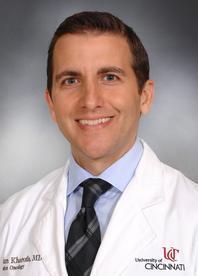
Jordan Kharofa, MD

Jordan Kharofa, MD

Head and Neck Cancer

Phase 1

Study of Ipatasertib with Chemoradiation for Head and Neck Cancer

This study is testing if a new drug, ipatasertib, can improve treatment when added to the usual chemotherapy and radiation for advanced head and neck cancer. Ipatasertib could help stop cancer growth by targeting specific proteins in cancer cells. The study aims to find the best dosage alongside existing treatments. It's primarily for patients with advanced stages of head and neck squamous cell carcinoma. Participants must be 18 or older, able to swallow pills, and meet certain health criteria. The study examines safety, necessary dosage, and treatment effectiveness. Patients will receive ipatasertib and typical cancer treatments over a set schedule and undergo various imaging tests. After treatment, they'll be monitored periodically up to two years. This research hopes to improve survival rates and better control cancer growth through this novel treatment combination.

This study may be appropriate for those with: Newly Diagnosed Cancer

Sara Medek, MD

Sara Medek, MD

Head and Neck Cancer

Phase 2

Study on BMX-001 for Reducing Mouth Sores in Head and Neck Cancer Patients

This research study is looking at whether a new drug, BMX-001, can help reduce mouth sores for patients receiving chemoradiation therapy for head and neck cancer. Mouth sores can be painful and make swallowing difficult. The study is for patients who are receiving standard cancer treatment with radiation and the drug cisplatin. The patients will be divided into two groups: one will receive a placebo, while the other group will get BMX-001. Both groups will follow the usual symptom management and will be monitored closely. This study aims to see if BMX-001 can effectively reduce the severity and duration of mouth sores better than usual care alone. Patients' progress will be followed even after the treatment ends, up to 24 months, to gather comprehensive results.

This study may be appropriate for those with: Metastatic Cancer

Sara Medek, MD

Sara Medek, MD

Head and Neck Cancer

Phase 3

Investigating NBTXR3 and Radiation for Head and Neck Cancer

This study is testing a treatment called NBTXR3 to see how well it works when combined with radiation therapy, compared to just using radiation therapy with or without a drug called cetuximab. The research is focused on elderly patients who have advanced head and neck squamous cell cancer but cannot undergo platinum-based chemotherapy. Participants will be randomly assigned to two groups; one will receive NBTXR3 with radiation therapy, and the other will receive radiation therapy alone or with cetuximab as chosen by their doctor. The goal is to track how long patients live without their cancer getting worse and overall survival, among other measures. The treatment happens over 7 weeks, with a series of follow-up visits planned afterward.

This study may be appropriate for those with: Metastatic Cancer

Rekha Chaudhary, MD

Rekha Chaudhary, MD

Skin Cancer & Sarcoma

Phase 2

Amivantamab Versus Cetuximab in cSCC

This study is testing a new treatment approach for people with cutaneous squamous cell skin cancer that has come back or spread and who have weakened immune systems. Participants are placed into one of two groups. One group gets amivantamab given under the skin together with hyaluronidase to help the drug stay in the body longer. The other group gets cetuximab given into a vein. Treatment is given in 28-day cycles for up to about 24 cycles unless the cancer gets worse or side effects are too severe. Doctors will check safety, how well the cancer responds, and how long people live without cancer growth. Blood tests and scans will be done throughout treatment, and some patients will be followed afterward for years. The study also collects samples for future research.

This study may be appropriate for those with: Metastatic Cancer

Brian Grawe, MD

Brian Grawe, MD

Sports

Studying Whether Tranexamic Acid Improves Visualization and Recovery in Rotator Cuff Surgery

This study is testing whether adding a small amount of tranexamic acid (TXA), a medication that helps reduce bleeding, to the irrigation fluid used during shoulder arthroscopy can improve the clarity of the surgical view and affect early recovery. When surgeons operate with a camera inside the shoulder, bleeding can cloud the view, making surgery more difficult. TXA might help reduce this bleeding. Adults who are scheduled for arthroscopic rotator cuff repair may be invited to join. After giving consent, patients are randomly assigned to one of two groups: Standard saline irrigation, or Saline irrigation with a low dose of TXA mixed in. Neither the patient nor the surgeon will know which one is used to keep the study fair. The surgery is performed using the usual minimally invasive technique. The video from the procedure is recorded so that surgeons can later rate how clear the view was at different points in the operation. After surgery, patients will have their shoulder movement checked, complete short surveys, measure pain at 8, 24, and 48 hours, and have their swelling measured. Doctors will also review the medical record for information such as operative time, bleeding, hemoglobin changes, and any complications. Patients continue routine clinic follow‑up at 6 weeks and then at 3, 6, 12, and 24 months, completing questionnaires about pain, function, and health. All visits are part of standard postoperative care; no extra visits are required. The purpose of this double‑blind study is to find out whether TXA can safely improve visualization during surgery and possibly help with pain control or reduce complications. The results may help guide future shoulder surgery practices.

Jonathan A. Bernstein, MD

Jonathan A. Bernstein, MD

Rheumatology/Allergy/Immune

Phase 2

BLU 263 ISM Treatment Study

This study tests BLU-263 (elenestinib) versus placebo in people with indolent systemic mastocytosis whose symptoms are not controlled by usual medicines. Participants continue symptom-directed therapy (like antihistamines, proton-pump inhibitors, cromolyn, or corticosteroids) while getting either BLU-263 or placebo. The trial has several parts: short-term randomized blinded parts to measure symptom change and safety at about 13 or 49 weeks, plus an open-label long-term part where participants can continue BLU-263 for up to 5 years to monitor ongoing safety and benefit. Some groups enroll people who previously took a KIT inhibitor and special pharmacokinetic groups check how the drug behaves in the body. Main measures include changes in a validated symptom score, safety events, blood tryptase and KIT D816V levels, bone marrow mast cells, quality of life, anaphylaxis rate, and bone health.

Loren Brook, MD

Loren Brook, MD

Crohn's Disease

Phase 2

Targeted Therapies Crohns Disease

This is a Phase 2, randomized study testing several targeted medicines for adults with moderate to severe Crohn's disease. About 540 people will be enrolled worldwide and will be randomly assigned to one of the available study treatments. The medicines being tested include risankizumab, trosunilimab, and ABBV-8736, given by injection under the skin or by vein infusion depending on the drug. The main goal is to see how many participants reach endoscopic remission at Week 12. Participants will have regular clinic visits, blood tests, endoscopies, safety checks, questionnaires, and a daily diary to track symptoms and side effects.

Jean Elwing, MD

Jean Elwing, MD

PAH

Phase 3

Treprostinil for PH ILD Study

This is a Phase 3 randomized, double blind, placebo controlled study testing an inhaled medicine called treprostinil palmitil inhalation powder (TPIP) in adults who have pulmonary hypertension from fibrotic interstitial lung disease. Participants will take TPIP or a matching placebo once daily for 24 weeks. The main goal is to see if TPIP improves exercise ability measured by the six minute walk test at 24 weeks. The study also looks at clinical worsening events, major illness or death, a blood marker of heart strain (NT proBNP), symptom scores, and blood drug levels. People must have their lung scarring confirmed by CT and pulmonary hypertension confirmed by right heart catheterization. Some heart, lung, clotting, smoking, allergy, or other health problems will prevent participation. Side effects may include cough, throat irritation, headache, flushing, nausea, dizziness and low blood pressure. Results will help show whether daily TPIP is an effective and safe treatment for this group of patients.

University of Cincinnati Cancer Center

Just In Time

Phase NA

Contact UCCC CTO for Study Activation

Specific study details/protocols can be provided upon request

Kara De Felice, MD

Kara De Felice, MD

Ulcerative Colitis

Phase 3

Afimkibart in Moderate Severe UC

This Phase 3 randomized study tests Afimkibart (RO7790121), an investigational antibody, versus placebo as a short induction treatment for people with moderately to severely active ulcerative colitis. The main goal is to see how many participants reach clinical remission at Week 12 and to measure healing of the colon with endoscopy and tissue tests. The study also looks at early symptom change (Week 2), pain, urgency, fatigue, quality of life, and safety up to about 30 weeks. Eligible adults must weigh at least 40 kg, be up to date on cancer screening, and have tried but not benefited from at least one standard UC therapy. People with certain infections, recent cancers, specific types of colitis, pregnancy, or prior anti‑TL1A treatment are not allowed to join.

Caroline Freiermuth, MD

Caroline Freiermuth, MD

Ultrasound | Opioid Reduction

Freiermuth ALTO

Decrease the overall morphine milliequivalents administered to patients who present with femoral fracture or shoulder dislocation by 10% through expanded utilization of ultrasound-guided local anesthetic administration. Objective 1: By the end of year 2, 50% of faculty and residents will have performed a nerve block for one of the targeted conditions or completed training utilizing models through educational sessions led by ultrasound fellowship trained faculty Objective 2: Utilize research staff to screen the ED for eligible patients and remind the treatment team of protocols for ultrasound-guided blocks to increase uptake Objective 3: By the end of the project, perform nerve blocks for at least 50% of patients seen for femur fractures or shoulder dislocations, for a total of 311 patients treated Objective 4: Quarterly assess differences in amount of morphine milliequivalents administered to patients for femur fractures and shoulder dislocations among those who received a nerve block compared to those that did not to monitor impact of the program and guide educational and informational initiatives

Robert Stanton, MD

Robert Stanton, MD

Subacute

Anticoagulation in ICH Survivors

The Anticoagulation in Intracerebral Hemorrhage Survivors for Stroke and recovery study is a randomized, double-blinded, phase III clinical trial designed to test the efficacy and safety of anticoagulation, compared with aspirin, in patients with a recent ICH and high risk non valvular AF. A total of 700 patients, age 18 or older with a first ever ICH 14-120 days before entry will be randomized in a 1:1 ratio to receive apixaban ( 5 mg tablet twice daily or 2.5 mg tablets twice daily for patients meeting standard dose adjustment requirements) or aspirin (81 mg tablet once daily).

Justin Virojanapa, DO

Justin Virojanapa, DO

Functional | Spine

Brain and spine imaging before and after neck surgery for instability

This research study is looking at how advanced MRI scans can show changes in the brainstem and upper spine in people with craniocervical instability or a condition called basilar invagination. Participants will have MRI scans before surgery and again after surgery as part of their regular care, with one additional special scan. Researchers will compare these images to see how the spine and brainstem change after treatment and whether these changes relate to symptoms and recovery. The goal is to improve how doctors measure treatment success and better understand which patients may benefit from surgery.

Kerri McGovern, MD

Kerri McGovern, MD

Head and Neck Cancer

HNSCC Longitudinal Multiomic Study

This is a non‑interventional, forward‑looking study that will collect blood and tumor tissue from adults with metastatic or unresectable recurrent head and neck squamous cell carcinoma who are starting first‑line anti‑PD‑1 or anti‑PD‑L1 therapy as part of usual care. Samples will be tested using next‑generation sequencing (NGS), circulating tumor DNA (ctDNA) assays, RNA and immune profiling, and other multiomic techniques. Collections occur at baseline and at multiple time points during treatment and follow up. The goal is to find biomarkers that help predict who will benefit from treatment, understand how cancers become resistant, and link biomarker changes to real‑world outcomes like survival and time to next treatment. Participants are followed for up to five years; no experimental treatments are provided as part of the study.

This study may be appropriate for those with: Metastatic Cancer

Melissa DelBello, MD

Melissa DelBello, MD

Bipolar

Phase 3

Lumateperone Pediatric Bipolar Study

This is a phase 3, multicenter, randomized, double-blind, placebo-controlled study testing lumateperone in children and adolescents aged 10-17 who have bipolar I or II disorder and are currently in a major depressive episode without psychosis. After a screening period (up to 2 weeks) to confirm eligibility, participants are randomly assigned 1:1 to receive either lumateperone or placebo for 6 weeks while neither participants nor study staff know which treatment is given. About one week after the last dose, patients return for a safety follow-up visit. The main goal is to see if lumateperone improves depressive symptoms at week 6 (measured by a standard depression rating scale) and to monitor safety. Key eligibility points include a confirmed bipolar diagnosis, a recent depressive episode of at least 4 weeks, a history of at least one manic or hypomanic episode, and no high suicide risk or recent manic hospitalization.

Greg R. Dion, MD

Greg R. Dion, MD

Laryngology

Studying Airway Cells in the Lab

Adults having airway surgery may allow small cell samples to be collected and grown in the lab. This research helps scientists study airway diseases and test new treatments but does not change patient care.

Kerri McGovern, MD

Kerri McGovern, MD

Head and Neck Cancer

Phase 3

Amivantamab added to carboplatin and pembrolizumab vs standard platinum regimens in treatment‑naive R/M HNSCC

This study is to see how well a treatment that includes amivantamab, pembrolizumab and carboplatin works compared to a different treatment that includes 5-FU, pembrolizumab and platinum (carboplatin or cisplatin) therapy. 5-FU, pembrolizumab and platinum (carboplatin or cisplatin) are already used together to treat recurrent/metastatic head and neck squamous cell carcinoma.

This study may be appropriate for those with: Metastatic Cancer

Toan T. Le, MD

Toan T. Le, MD

Joints

Phase 2

Cyclic Irrigation Expanded Access

This expanded access program offers the VT-X7 system, which delivers vancomycin and tobramycin by cyclic irrigation, to people having exchange surgery to treat a prosthetic joint infection (PJI) of the hip or knee who lack other treatment options. Eligible people are adults 22 to 84 years old who are scheduled for implant removal and who have a confirmed PJI. The program is for patients who may have failed prior exchange surgery. Certain people are not allowed to join, including those with recent bloodstream infection, infection in more than one joint, severe kidney disease, pregnancy, known allergies to the study antibiotics or certain implant materials, active cancer chemotherapy, high dose steroids, some immune problems, recent substance abuse, or other issues that would make study participation unsafe. Treatment involves the surgical removal of the prosthesis and use of the VT-X7 irrigation system during the exchange procedure, with hospital care and follow-up as directed by the study site. The aim is to give access to this antibiotic irrigation approach and to observe how well it is tolerated and works for these patients.

Elizabeth A. Kelly, MD

Elizabeth A. Kelly, MD

General

Understanding Social Factors and Infant Health Outcomes

This research study is trying to better understand how social factors like housing, income, transportation, and access to health care may affect infant health. The study includes people who give birth at University Hospital. Participants are asked to complete a survey after delivery. The information collected will be used to learn why some communities have higher rates of premature birth or infant death and to help guide future programs to improve infant health. There is no cost or risk to take part, and participation helps improve understanding of infant health in the community.

Rodrigo Patino, MD

Rodrigo Patino, MD

Depression

Mobile Intervention for Teen Suicide

This study is a double-blind, randomized pilot trial testing two smartphone-based digital programs to lower suicidal thoughts in teens. About 114 adolescents (ages 13-17) who were recently hospitalized after a suicide attempt or who have suicidal thoughts with a past attempt will join with a parent or guardian. Teens and parents, and the research staff who assess them, will not know which digital program the teen receives. The main goal is to see if suicidal thoughts improve over 12 weeks using a standard suicide ideation scale. Teens must have a smartphone and agree to allow one year of medical record review to track any suicide attempts after enrollment. The study screens out teens who are acutely intoxicated, in other similar trials, unable to follow procedures, have serious medical/psychiatric issues that make participation unsafe, or who will be transferred to another inpatient bed at discharge.

Alberto Espay, MD

Alberto Espay, MD

Multiple Sclerosis

Understanding genetic Parkinson's disease

This study looks at people with a rare genetic form of Parkinson's disease and their family members. Researchers collect samples like blood, spinal fluid, and skin to better understand how the disease develops. The goal is to improve understanding of Parkinson's disease causes.

Caleb M. Adler, MD

Caleb M. Adler, MD

Bipolar | Depression

Phase 2

Icalcaprant in Bipolar Depression

This research tests an experimental pill called icalcaprant to treat depressive episodes in adults with bipolar I or II disorder. About 195 adults will be randomly assigned to one of three groups and will take either icalcaprant or a matching placebo once a day for 6 weeks. Neither participants nor staff will know who gets the real drug. After treatment, participants will have a 4-week safety follow-up. The study checks whether depression symptoms improve and records any side effects through medical assessments, blood tests, and questionnaires. Visits occur at study clinics and the number and schedule of visits depend on study procedures at each site.

Abhimanyu Mahajan, MD, MHS, FAAN

Abhimanyu Mahajan, MD, MHS, FAAN

Parkinson's disease | Movement Disorders

Hypotension in PDD and DLB

Is hypotension the mechanism behind cognitive fluctuations in Parkinson's disease dementia and dementia with Lewy Bodies? The aim of the study is tp determine if the cortical electroencephalographic signatures of cognitive fluctuations are present in PDD and DLB patients with OH. We will use a tilt table test to determine if PDD/DLB patients with OH may have a differential electroencephalographic pattern than those without OH. Hypothesis: PDD and DLB patients with OH will have dominant frequency variability between alpha (8.0-12.0 Hz) and pre-alpha (5.5-7.5 Hz) bands compared with patients without OH.

Kerri McGovern, MD

Kerri McGovern, MD

Lung Cancer

Phase 3

Testing a New Combination Therapy for Advanced Lung Cancer

This study is looking at a new treatment combination for people with advanced lung cancer who have stopped responding to typical immune checkpoint inhibitors. The new combination includes the drugs N-803, tislelizumab, and docetaxel vs. just docetaxel alone, to see which is more effective in extending patients' lives. Adults 18 or older with this specific type of cancer could participate if they meet certain health requirements. Key aspects include the ability to follow the study procedures, managing contraception requirements, and having a specific level of health for various bodily functions. Some individuals will not qualify if they have recent treatments that conflict with the new drugs, have severe allergies to study drugs, or other significant health concerns.

This study may be appropriate for those with: Metastatic Cancer

Ahmad R. Sedaghat, MD

Ahmad R. Sedaghat, MD

Rhinology

Understanding chronic sinus and nasal inflammation

This research aims to learn more about conditions that cause long-lasting sinus and nasal inflammation, such as chronic sinusitis and allergies. People already receiving routine care may be asked to provide small samples of nasal mucus, blood, or tissue during regular clinic visits. Researchers will compare these samples with symptoms and treatment results over time to understand why some patients respond better to medical treatments than others. The goal is to support more personalized care in the future.

Kyle Wang, MD

Kyle Wang, MD

Radiation Oncology

Heart Health Screening During Cancer Care

The study looks at CT scans already done for radiation planning to see if there are signs of heart disease. Adults receiving curative radiation may join. Participation involves surveys and sharing scan findings with doctors. This may help find heart disease earlier.

Jennifer Leddon, MD, PhD

Jennifer Leddon, MD, PhD

Lung Cancer

Phase 3

Study of Rilvegostomig vs. Pembrolizumab with Chemotherapy for Lung Cancer

This study is testing two treatments for people with a specific type of lung cancer called metastatic squamous non-small cell lung cancer (NSCLC). It's for patients whose tumors test positive for a marker called PD-L1. The main goal is to see if a new drug, rilvegostomig, combined with chemotherapy, helps people live longer or stop their cancer from progressing more than the standard treatment, pembrolizumab, combined with chemotherapy. Patients will be randomly placed into either treatment group and both will be blind to which they are receiving to ensure fair results. The study will check how well the treatments work over approximately five years, looking specifically at survival rates and the control over cancer growth and spread. Safety and side effects are also being monitored.

This study may be appropriate for those with: Metastatic Cancer

Ian Paquette, MD

Ian Paquette, MD

Gastrointestinal Cancer

Neoadjuvant Chemotherapy, Excision And Observation vs Chemoradiotherapy For Rectal Cancer

This study aims to determine whether rectal cancer's response to treatment is the same when patients receive chemotherapy alone before limited surgery versus when they receive both chemotherapy and radiation therapy before limited surgery, and if omitting radiation therapy improves quality of life.

This study may be appropriate for those with: Newly Diagnosed Cancer

Brittany N. Krekeler, PHD,CCC-SLP

Brittany N. Krekeler, PHD,CCC-SLP

Dysphagia Rehab

Understanding Swallowing Exercises

Healthy adults complete swallowing and tongue exercises during a single x-ray swallow study visit. The goal is to understand how these exercises move swallowing muscles.

Brian Grawe, MD

Brian Grawe, MD

Sports

Comparing Two Biceps Tenodesis Techniques to Understand Recovery and Shoulder Function

This study compares two common ways of performing biceps tenodesis, a surgery used to treat shoulder pain caused by problems with the biceps tendon. One method, done by Dr. Grawe, uses an arthroscope and repairs the tendon above the pectoral muscle (arthroscopic supra‑pectoral). The other method, used by Dr. Utz, Dr. Summers, and Dr. Branam, uses an open incision below the muscle (open sub‑pectoral). Both are standard procedures used widely in shoulder surgery. Adults who are advised to undergo biceps tenodesis may be invited to participate. After agreeing to join the study, patients will complete short questionnaires about shoulder function and general health, and their shoulder motion will be measured. The type of surgery they receive will be based on the surgeon performing the procedure-not by randomization. After surgery, participants return for follow‑up visits at 6 weeks and at 3, 6, 12, and 24 months. At these visits, doctors check healing, shoulder movement, and symptoms. Patients also complete questionnaires to track pain and shoulder function. A routine ultrasound at the 3‑month visit helps evaluate how the tendon is healing. The study also includes a scar assessment to understand patient satisfaction with the appearance of their incision. The purpose of the study is to learn whether one surgical technique leads to better recovery, improved strength, less pain, or better cosmetic results. Both surgeries are standard treatments and pose no additional risks or costs beyond normal care. The information learned will help guide future patients and surgeons in choosing the most effective approach for biceps tendon problems.


Zulfa Omer, MD

Zulfa Omer, MD

Other

Comparing Effectiveness of Rituximab or Mosunetuzumab in Patients With Nodular Lymphocyte-Predominant Hodgkin Lymphoma

This phase II study evaluates the effectiveness of mosunetuzumab versus rituximab, the standard treatment, in extending survival for patients with nodular lymphocyte-predominant Hodgkin lymphoma (NLPHL). Both mosunetuzumab and rituximab are monoclonal antibodies targeting the CD20 protein on B cells and certain cancer cells, potentially enhancing the immune system's ability to destroy cancer cells. The trial aims to determine if mosunetuzumab offers a superior survival benefit compared to rituximab for individuals with NLPHL.

This study may be appropriate for those with: Relapsed / Refractory Cancer

Hani Kushlaf, MD

Hani Kushlaf, MD

Neuromuscular

Phase 3

Empasiprubart versus IVIg in CIDP

This Phase 3 study compares an investigational drug called empasiprubart with standard intravenous immunoglobulin (IVIg) in adults who have CIDP and who have previously responded to IVIg. In Part A (24 weeks) participants are randomly assigned in a double blind way to receive either empasiprubart plus a placebo that looks like IVIg or IVIg plus a placebo that looks like empasiprubart. After finishing Part A, all participants may enter Part B and receive empasiprubart for up to 96 weeks. The main goal is to see whether patients improve by at least one point on a disability scale (aINCAT) at week 24. The study also tracks strength, grip, walking time, patient reported quality of life and fatigue, work impact, antibody responses to the study drug, drug levels in the blood, and any side effects over the full study period.

Emily Hill, MD

Emily Hill, MD

Parkinson's disease

PD GENEration Genetic Registry

This study collects genetic test results and leftover DNA from people with Parkinson's to build a central, secure resource for future research. Adults who have a probable Parkinson's diagnosis and agree to genetic testing can join. Participants allow their data to be stored for research and can choose to be told their results for several PD-related genes. The study also provides genetic counseling so people can understand what their results mean. It is an observational, one-time study (cross-sectional) meant to find how common certain gene changes are and to help researchers studying Parkinson's. There is no drug or treatment given; the study involves surveys, genetic testing, and storing DNA for future studies.

Lauren E. Menzies, MD

Lauren E. Menzies, MD

Subacute

Phase 3

Cilostazol Prevent Recurrent Stroke

This is a phase 3, randomized trial testing whether adding the medicine cilostazol to a person's current antiplatelet drug (either aspirin or clopidogrel) helps prevent another stroke, heart attack, or death from blood vessel disease. People who had a stroke or mini‑stroke (TIA) in the past 180 days and who are taking one antiplatelet drug may join. Participants will be followed for up to 4 years to see how long it takes for major events (stroke, heart attack, or vascular death) to occur. The study will also track time to ischemic stroke and the time to any major bleeding events. People with a recent spontaneous brain bleed, significant heart failure, or a life expectancy under 6 months are not eligible. The trial is not yet recruiting.

Alberto Espay, MD

Alberto Espay, MD

Parkinson's disease | Movement Disorders

TQR-84 (Placebo Study)

Patients will be told they are receiving either a novel medication (TQR-84) or placebo. However, all participants will receive IR-CD/LD. We will evaluate the differences on motor improvement after levodopa introduction, as measured by the motor subscale of the Unified Parkinson's Disease Rating Scale (MDS-UPDRS-III),13 between a positive framework (to enhance expectations) compared to a neutral framework (to dampen expectations).

Kara B. Markham, MD

Kara B. Markham, MD

Maternal & Fetal Medicine

Phase 3

Evaluating Nipocalimab for Reducing Risk of Severe HDFN in Pregnancies

This study aims to determine the effectiveness of a drug called nipocalimab in pregnant women who are at risk for severe Hemolytic Disease of the Fetus and Newborn (HDFN), a condition where the mother's antibodies attack the baby's red blood cells, leading to anemia in the baby. Anemia can cause serious problems for unborn babies, including death. The study compares nipocalimab to a placebo to see if it can safely reduce these risks and improve outcomes like preventing fetal loss or life-threatening conditions. Participants will be randomly assigned to receive either the drug or a placebo and will be monitored throughout their pregnancies and after their babies are born until they are at least 24 weeks old.

Jennifer Leddon, MD, PhD

Jennifer Leddon, MD, PhD

Phase 1 - Solid Tumor

Phase 1

Dose Escalation/​Expansion Trial to Evaluate the Safety and Anti-tumor Activity of TEV-56278 alone or with Pembrolizumab

This clinical trial is assessing a new treatment, called TEV-56278, which is being tested alone and in combination with another drug called Pembrolizumab. This trial focuses on individuals who have advanced solid tumors. These types of tumors might be resistant to standard treatments or have not responded well to them. This study, conducted by Teva Branded Pharmaceutical Products, aims to find a safe and effective dosage of TEV-56278. It hopes to determine whether it can effectively inhibit tumor growth when used on its own or together with Pembrolizumab. Participants will be observed for any side effects and to see how well the tumor responds to the treatment. The study duration includes being treated for up to one year and followed for up to another year, totaling a possible two years per participant. The trial is ongoing, offering treatment possibilities for those who meet specific inclusion criteria, including having previously received treatment for their tumor and having a life expectancy of at least 12 weeks.

This study may be appropriate for those with: Metastatic Cancer

Liran Oren, PHD

Liran Oren, PHD

How Straw Exercises Affect the Voice

Healthy adult singers will try different straw-based voice warm-ups. Researchers will measure how the voice responds to different straw types. There is no medical benefit, but the study may inform voice training.

Aram Zabeti, MD

Aram Zabeti, MD

Multiple Sclerosis

Phase 3

Studying a Switch in Treatment for Relapsing Multiple Sclerosis

This study is testing whether a daily oral medicine called remibrutinib works as well as the current treatment, ocrelizumab, for people with relapsing multiple sclerosis. People who have been on ocrelizumab for at least 18 months and are between 40 and 70 years old may join. The study will look at how MS changes over time using MRI scans, physical tests, and symptom reports. Participants may receive remibrutinib or continue ocrelizumab for up to two years, and those who finish this part may continue on remibrutinib for another two years. The study aims to learn whether switching to remibrutinib is safe, effective, and easier for patients.

Katie M. Phillips, MD

Katie M. Phillips, MD

Rhinology

Understanding Flare-Ups in Chronic Sinusitis

This study aims to understand why people with chronic sinus problems sometimes experience sudden flare-ups. Adults with chronic sinusitis will have nasal samples taken during a flare-up and again about a month later. The study does not change medical care but may help improve future treatments.

Caroline Freiermuth, MD

Caroline Freiermuth, MD

Opioid Reduction

ALTO ED Integrative Health Referrals

This study tests whether routinely offering ED patients a referral to integrative health services increases use of nonpharmacologic options and reduces opioid prescribing and opioid consumption. Qualifying ED patients (age ≥18) presenting with low back pain, headache, abdominal pain, certain mental health conditions, or suspected substance use disorder will be offered a referral to the Osher Center for Integrative Health. Services available include acupuncture, mindfulness therapy, music therapy, massage, movement therapies (tai chi, yoga), lifestyle coaching, and nutrition education. The intervention is operationalized by adding the Osher Center referral to the ED preference list in the electronic health record to make it easy for ED clinicians to offer and place referrals. Participants will complete a baseline visit in the ED and a 30-day follow-up phone call to capture referral uptake, opioid prescriptions written, opioid use, pain and symptom measures, and patient experience. Patients who are pregnant, prisoners, unable to consent, actively suicidal/on psychiatric hold, febrile, trauma activations, or with altered mental status are excluded. Total participation time is 30 days (baseline plus one follow-up). The primary goals are to increase integrative health referrals and uptake and to decrease opioid prescribing and patient-reported opioid consumption after ED discharge.

Melissa DelBello, MD

Melissa DelBello, MD

Schizophrenia

Phase 3

KarXT for Teen Schizophrenia

This is a randomized, double-blind, placebo-controlled Phase 3 study testing KarXT in adolescents (13–17 years) with schizophrenia. After screening and confirmation of diagnosis, participants are randomly assigned to receive KarXT or placebo. The main goal is to see if KarXT reduces psychotic symptoms compared with placebo after about five weeks of treatment. Safety and overall clinical improvement will also be measured. The study checks symptom scales and global functioning during the treatment period. People with other major psychiatric disorders, significant medical or neurological conditions, known intellectual disability, severe liver problems, or very high blood pressure are not eligible.

Kerri McGovern, MD

Kerri McGovern, MD

Head and Neck Cancer

Phase 3

Radiation With Cetuximab or Chemotherapy

This phase 3 trial compares two treatments given with high-precision radiation therapy (IMRT) for people with advanced head and neck cancer who cannot take cisplatin. Patients are randomly placed into one of two groups. One group gets weekly cetuximab (a drug that targets the EGFR protein on some cancer cells) together with 35 daily radiation treatments over about 7 weeks. The other group gets weekly carboplatin and paclitaxel chemotherapy together with the same radiation schedule. Patients have scans and blood tests during the study and are followed after treatment at 30 days, then at 4, 6, 12, 18, 24, 30, and 36 months and then yearly. The main goal is to compare progression-free survival between the two groups. Secondary goals include comparing overall survival, side effects, where the cancer returns if it does, and changes in eating and speaking function.

This study may be appropriate for those with: Metastatic Cancer

Jeffrey R Strawn, MD

Jeffrey R Strawn, MD

Anxiety/PTSD

Phase 4

Treatment for adults with anxiety

The purpose of this study is to look at two medications, escitalopram and duloxetine, in adults with anxiety (between the ages of 18 and 50) in addition to, two add on medications, clonazepam or pregabalin. The study doctors are trying to understand which medication(s) will work best

Emily Curran, MD

Emily Curran, MD

AML/ALL

Phase 3

Beat AML Biomarker Treatment Trial

This study is a master protocol that screens people with acute myeloid leukemia (AML) using rapid lab and genomic testing. Based on the test results, each person is placed into one of several smaller treatment studies that test targeted, investigational therapies or drug combinations. The goal is to complete testing and assign patients to a matched treatment within 7 days, and then follow treatment responses and safety over time. The trial includes groups for newly diagnosed patients, relapsed or refractory patients, and a marker-negative group for those who don't match a specific marker. Some sub-studies focus on older adults or patients who cannot or choose not to get intensive chemotherapy. Follow-up can continue for years to track responses and changes in disease over time.

This study may be appropriate for those with: Newly Diagnosed Cancer

Aram Zabeti, MD

Aram Zabeti, MD

Neuro-Immunology

INEBILIZUMAB IN ANTI-NMDA ENCEPHALITIS

There are currently no medicinal products approved for the treatment of anti-N-methyl-D-aspartate receptor (NMDAR) encephalitis, a rare disease. NMDAR encephalitis is a life-threatening, antibody-mediated autoimmune disorder of the central nervous system. Standard of care includes high-dose corticosteroids AND either intravenous immunoglobulin (IVIg) OR plasmapheresis. However, as many as 47% of patients may fail to respond to initial treatment at 4 weeks; thus, there is a high unmet medical need for more effective therapies. The pathogenesis of NMDAR encephalitis suggests that B cell depletion may be an effective avenue for therapeutic intervention. The anti-CD19 B cell-depleting activity of inebilizumab suggests that it may provide benefit as treatment for NMDAR encephalitis. This study aims to define the efficacy and safety of inebilizumab in reducing the level of disability in patients with NMDAR encephalitis as measured by modified Rankin score (mRS). If you think that you might have a potential participant contact the ExTINGUISH hotline 844-4BRAIN5 (844-427-2465)

Greg R. Dion, MD

Greg R. Dion, MD

Laryngology

Studying Airway Bacteria in Stenosis

Adults undergoing airway surgery will have airway samples collected to study bacteria that may affect healing and disease.

Brittany N. Krekeler, PHD,CCC-SLP

Brittany N. Krekeler, PHD,CCC-SLP

Dysphagia Rehab

Videofluoroscopic Swallowing Norms

This study will use videofluoroscopy (a moving X-ray of swallowing) to measure how people of different ages swallow. The team will test about 280 healthy adults across the adult age span and will also collect data from three clinical groups at risk for swallowing problems: people with Parkinson disease, people with COPD, and people recently having had a stroke. The goal is to build clear normal ranges for swallowing measures (like airway protection, residue left after swallowing, timing of airway closure, and how well the throat squeezes) and to find practical cutoff points that help tell normal from disordered swallowing. The results aim to help clinicians interpret swallowing tests more reliably and guide diagnosis and treatment decisions.

Bailey Nelson

Bailey Nelson

Genitourinary Cancer

Phase 2

Bladder Preservation Immunoradiation

This Phase II study tests whether combining the immune drug pembrolizumab with radiation therapy can allow people with muscle invasive bladder cancer to keep their bladder after the tumor has already shrunk from pre-surgery chemotherapy. Eligible patients have an excellent clinical response after neoadjuvant chemotherapy and will receive daily photon radiation to the bladder Monday through Friday for up to about 4 weeks while also getting pembrolizumab through an IV every 3 weeks. Before joining, patients have had a TURBT (a bladder tumor biopsy/removal procedure) and staging scans. The study tracks how long patients keep their bladder without cancer returning, whether they later need bladder removal (salvage cystectomy), survival outcomes, side effects, and patient-reported symptoms. Blood, urine, and tissue samples will be stored for future research. After finishing treatment, participants are followed regularly for up to 5 years.

This study may be appropriate for those with: Newly Diagnosed Cancer

Samir Sabharwal, MD

Samir Sabharwal, MD

Oncology

Comparing Two Surgical Options for Stabilizing Metastatic Bone Disease in the Upper Thigh (PERFORM)

The PERFORM study is a major international research trial comparing two ways of treating cancer‑related bone disease in the upper part of the thigh bone (proximal femur). Some patients develop weak or broken bones in this area when cancer spreads to the skeleton, and surgery is often needed to help them walk safely and reduce pain. The study compares two surgical options: Resection and reconstruction - removing the damaged section of bone and replacing it with an implant. Internal fixation - strengthening the bone using plates, screws, or a rod placed inside the bone. Patients who qualify will be randomly assigned to one of the two procedures. Doctors want to know which option helps patients live longer, stay mobile, and spend more days at home during the year after surgery. The study also measures quality of life, physical function, pain levels, and time spent in hospitals or care facilities. About 334 patients from hospitals across Canada, the U.S., and other countries will participate. Everyone will be followed for one year after their surgery, with check‑ins and questionnaires at several time points. All surgeries and follow‑up visits are standard medical care. The goal of PERFORM is to provide strong evidence to guide surgeons on the best treatment for people with metastatic bone disease in the femur. By comparing these two common surgical approaches, the study will help determine which one offers better long‑term outcomes and quality of life for cancer patients.

Jennifer Leddon, MD, PhD

Jennifer Leddon, MD, PhD

Skin Cancer & Sarcoma | Breast Cancer

Phase 1

AMXT1501 and DFMO With Standard Care

This open-label Phase 1b/2 study tests two oral drugs, AMXT 1501 and DFMO, given together with standard treatments in people with advanced ER+ / HER2- breast cancer or with unresectable or metastatic cutaneous melanoma. AMXT 1501 blocks tumor uptake of polyamines and DFMO lowers polyamine production; together they aim to reduce tumor-supporting molecules and possibly improve responses to standard therapy. In the breast cancer group the combo is given with fulvestrant and capivasertib. In the melanoma group the combo is given with pembrolizumab. The Phase 1b part uses a small dose-escalation plan to find a safe dose for Phase 2. The Phase 2 part will look for signs the treatment controls or shrinks tumors using standard tumor response rules. The study also checks drug levels in blood, changes in tumor tissue and immune genes, and overall safety. About 92 patients may be enrolled across the two groups. Participants will have screening tests, regular clinic visits each treatment cycle (28 days), imaging to measure response, and follow-up visits.

This study may be appropriate for those with: Metastatic Cancer

Samir Sabharwal, MD

Samir Sabharwal, MD

Oncology

Using a Blood Test to Tailor Blood‑Clot Prevention After Surgery for Metastatic Bone Disease

Cancer patients with metastatic disease that has spread to the bones are at high risk for blood clots, especially after surgery. This study explores whether using a special blood test called thromboelastography (TEG) can help doctors choose the safest and most effective blood‑thinner medication for each individual patient. Before surgery, a small blood sample is tested using Rapid TEG to see how quickly and strongly the patient's blood forms clots. Based on this test, patients are placed into groups ranging from "low clotting tendency" to "high clotting tendency." Each group has a matching treatment plan to help prevent dangerous blood clots after surgery, using medications like aspirin or low‑molecular‑weight heparin (enoxaparin). All participants also have an ultrasound scan of both legs to check for blood clots before surgery, and a second scan six weeks later. Patients are monitored for signs of deep vein thrombosis (DVT), pulmonary embolism (PE), bleeding, need for transfusion, or return to the operating room. Participants complete short questionnaires measuring physical function, pain, and anxiety before surgery and again at several follow‑up visits through the first year. These help the research team understand how patients feel and function during recovery. No experimental treatments are used-only tests and medications that are already part of standard orthopedic and cancer care. The information learned will help doctors design a larger future study and may lead to more personalized, safer blood‑clot prevention for patients with metastatic bone disease.

Jonathan Forbes, MD

Jonathan Forbes, MD

Brain Tumor | General | Vascular

New Surgical Tool for Brain and Skull Base Surgery

This research is studying a surgical tool called DuraStat that is used to help close the protective lining around the brain during certain skull base surgeries done through the nose. Sometimes this lining is opened during surgery and needs to be carefully repaired to prevent fluid leaks or infection. The study will follow adults who are already having this type of surgery and need a repair during the procedure. Doctors will look at how well the repair works and how patients heal over time. Follow-up visits are part of normal surgical care, and participation does not require extra procedures beyond standard treatment.

Daniel Q. Sun, MD

Daniel Q. Sun, MD

Otology

Understanding Drug Delivery to the Inner Ear

During routine ear surgery, small pieces of tissue that would otherwise be thrown away are studied in the lab to improve future hearing treatments.

Brittany N. Krekeler, PHD,CCC-SLP

Brittany N. Krekeler, PHD,CCC-SLP

Dysphagia Rehab

How eating a meal affects tongue strength and fatigue

This study is exploring how eating a normal meal may cause tongue fatigue and whether this differs by age. Healthy younger and older adults will complete simple tongue strength tasks before and after eating a standardized meal. These tasks help researchers understand how eating affects the muscles used for chewing and swallowing. Participation involves a single visit and does not change medical care. The results may help improve understanding of fatigue related to eating as people age.

Jennifer Leddon, MD, PhD

Jennifer Leddon, MD, PhD

Phase 1 - Solid Tumor | Skin Cancer & Sarcoma | Lung Cancer

Phase 1

Study on IOV-4001 for Advanced Melanoma and NSCLC

This study is the first-in-human study of IOV-4001, a genetically modified autologous tumor- infiltrating lymphocytes (TIL) product. IOV-4001 is expected to have antitumor activity through its capacity to directly target and kill tumor cells in a manner that is similar to non-genome-edited TIL, but with the potential for enhanced antitumor activity due to disruption of PDCD1, the gene for programmed cell death protein-1 (PD-1).

This study may be appropriate for those with: Metastatic Cancer

Robert Franklin, MD

Robert Franklin, MD

Genitourinary Cancer

Comparing the Outcome of Immunotherapy-Based Drug Combination Therapy With or Without Surgery

This phase III trial compares the effect of adding surgery to a standard of care immunotherapy-based drug combination versus a standard of care immunotherapy-based drug combination alone in treating patients with metastatic kidney cancer. Patients will receive 1 of the following 4 treatment options: Nivolumab 240 mg IV 1 q 2 weeks, Nivolumab 480 mg IV 1 q 4 weeks, Pembrolizumab 200 mg IV 1 q 3 weeks and Axitinib 5 mg oral Daily BID, OR Avelumab 10 mg/kg IV 1 q 2 weeks and Axitinib 5 mg oral Daily BID. Those in Arm 2 will also undergo a radical or partial nephrectomy. Efficacy will be measured by determining Overall Survival.

This study may be appropriate for those with: Newly Diagnosed Cancer

Jordan Kharofa, MD

Jordan Kharofa, MD

Gastrointestinal Cancer

Phase 3

Higher Dose Radiation Therapy for Advanced Pancreatic Cancer Trial

This study is exploring if giving higher doses of radiation can help people with advanced pancreatic cancer live longer. Participants must have already undergone 4-6 months of chemotherapy and have stable disease without progression. There are two groups in the study. One group will receive standard treatment, which could include continuing chemotherapy, a normal dose of radiation, or observation. The other group will receive higher doses of radiation over a shorter period to see if it prolongs their survival. Patients will have regular follow-ups and will be checked through blood tests, imaging scans, and tissue biopsies. They are monitored over a period that includes every three-month checkups for two years and then yearly for another three years. This study aims to not only see if survival improves but examine side effects, quality of life, and any changes in disease progression.

This study may be appropriate for those with: Metastatic Cancer

Kristin Hudock, MD, MSTR

Kristin Hudock, MD, MSTR

Critical Care

Selective Cytopheretic Device Trial

This study will enroll about 200 adults in intensive care units who have acute kidney injury (AKI) and need continuous kidney replacement therapy (CKRT). Patients are randomly assigned to receive standard CKRT alone or CKRT plus up to ten 24-hour treatments with the Selective Cytopheretic Device (SCD). The SCD is a device used during CKRT that aims to calm overactive white blood cells (neutrophils and monocytes) to reduce inflammation. The main goal is to find out whether adding the SCD lowers the chance of death or needing ongoing dialysis 90 days after starting treatment. Other outcomes include kidney-related events at 90 days, need for dialysis at one year, days alive outside the ICU in the first 28 days, and 28-day death rate. Key rules: participants must be 18-80, have moderate to severe AKI when CKRT starts, have a high C-reactive protein, and have another serious organ problem. People are excluded if they are not expected to survive short-term, already on long-term dialysis, have certain infections or immune problems, are pregnant, or are in other situations that make the study unsafe or not useful. Follow-up includes checks up to 90 days and one year to track kidney recovery and survival.

Kristine A. Karkoska, MD

Kristine A. Karkoska, MD

Nonmalignant Hematology

Brain MRI in Adults with Sickle Cell Disease

The purpose of this study is to see whether inflammation is present in the brains of people with sickle cell disease and whether this inflammation may be a cause of decreased cognition (ability to learn/remember) in people with sickle cell disease. Brain images from people with sickle cell disease will be compared to brain images from people without sickle cell disease.

Davendra Sohal, MD, MPH

Davendra Sohal, MD, MPH

Phase 1 - Solid Tumor | Gastrointestinal Cancer

Phase 1

Testing Abemaciclib with 5-Fluorouracil for Metastatic Colorectal Cancer

This clinical trial is investigating how well two drugs, Abemaciclib and 5-Fluorouracil (5-FU), work together in treating people with colorectal cancer that has spread to other parts of the body and hasn't responded to other treatments. The study aims to discover the safest dose of the drug combination that patients can handle without severe side effects. Participants will take Abemaciclib by mouth twice daily, and receive 5-FU through a vein on specific days during each 28-day cycle. Throughout the study, various samples will be collected to track the effectiveness and side effects of the treatment. After finishing the treatment cycles, participants will be monitored every three months for follow-up. Researchers hope this combination will provide a new option for those with this difficult-to-treat cancer type.

This study may be appropriate for those with: Metastatic Cancer

H. Claude Sagi, MD

H. Claude Sagi, MD

Trauma

Using Exam Under Anesthesia to Guide Pelvic Surgery for Partially Unstable (B-Type) Injuries

This study will help surgeons decide how best to treat certain partially unstable pelvic fractures ("B‑Type" injuries). During surgery, doctors perform an exam under anesthesia (EUA) that gently stresses the pelvis to see how stable it is. Based on what the exam shows, some patients will not need fixation, some will need fixation in the front (anterior), and others may benefit from fixation in both the front and back (anterior + posterior). When both surgical choices are reasonable, patients will be randomly assigned to one of the two standard options (front only or front + back). Randomization is a fair way to compare treatments that are both commonly used. The goal is to improve recovery and function, reduce complications like loss of alignment or hardware failure, and avoid unnecessary procedures. After surgery (or nonoperative care if no fixation is needed), participants will return for routine clinic visits with X‑rays at about 6 weeks, 3 months, 6 months, and 12 months. At these visits, doctors will check healing and ask participants to complete short questionnaires about their day‑to‑day function and well‑being. All personal information is kept secure. Consent includes an explanation of privacy protections and what participation involves. This study may help future patients by showing when it is safe to use less surgery and when additional stabilization improves outcomes.

Michael A. Thomas, MD

Michael A. Thomas, MD

Reproductive & Infertility | General

Emergency Contraceptive Metabolism Study

This study looks at why emergency birth control pills sometimes fail for some people and not others. The researchers will give participants a single dose of ulipristal acetate (UPA), the oral emergency contraceptive, and then watch how the body responds. They will use blood tests to measure UPA levels and ultrasound to see whether the ovary releases an egg (ovulation). The main question is whether genetic differences that affect the enzymes that break down UPA change how much drug is in the blood and whether the drug can stop or delay ovulation. Participants will be healthy people aged 18 to 40 with regular, ovulatory menstrual cycles. The study follows one menstrual cycle (about 30 days) and includes screening, the study dose, blood draws, and ultrasound checks. The goal is to better understand who is more likely to have emergency contraceptive failure and to help make emergency contraception work better for everyone.

Carl J. Fichtenbaum, MD

Carl J. Fichtenbaum, MD

Infectious Diseases/HIV

Phase 2

Pramipexole vs Escitalopram Study

This is a Phase 2, open-label randomized trial that will compare two medicines for depression in people living with HIV: pramipexole extended release and escitalopram. Participants will be randomly assigned to one of the two treatments and followed for about 24 weeks. Study visits will check how participants are feeling, measure depression and thinking skills, and watch for side effects. A smaller optional sub-study will collect and study spinal fluid in up to 36 people to see how treatment affects brain inflammation markers.

E. Steve S. Woodle, MD

E. Steve S. Woodle, MD

Transplant | Surgery

Phase 1

AT1501 Kidney Transplant Study

This is a Phase 1b, open-label study that will test AT-1501 in up to 48 people receiving a first kidney transplant. AT-1501 is given with standard transplant medicines: rATG as induction, low-dose corticosteroids, and mycophenolate for maintenance. The study will track safety issues, measure how the drug behaves in the body (drug levels and related measures), and look for signs that it helps prevent rejection. Safety will be followed through the study (about up to 20 months on average). Pharmacokinetic sampling is planned soon after the first dose and again at steady state around Month 3. The study is single-arm, so every participant receives AT-1501 alongside routine transplant care.

Aram Zabeti, MD

Aram Zabeti, MD

Multiple Sclerosis

Stem Cell Transplant V/S BAT Therapy

This is a Randomized study to compare the efficacy, safety, immunologic effects, and cost-effectiveness of myeloablative and immunoablative therapy followed by autologous hematopoietic stem cell transplant (AHSCT) versus best available therapy (BAT) over 72 months in participants with relapsing MS and continued MS disease activity despite treatment with DMTs.

H. Claude Sagi, MD

H. Claude Sagi, MD

Trauma

Comparing Two Surgical Approaches for Repairing Posterior Wall Hip Socket Fractures

This study looks at two ways surgeons repair a specific type of hip fracture called a posterior wall acetabular fracture. Both techniques use metal plates to support the bone as it heals. Participants are randomly assigned to one of the two standard surgical treatments and will have regular checkups with X‑rays for up to one year. The goal is to learn whether one method leads to better healing or recovery.

Srinivas Rajsheker, MD

Srinivas Rajsheker, MD

Electrophysiology

REAL AF - Catheter Ablation for Treating Atrial Fibrillation

This study looks into how catheter ablation works for treating people who have Paroxysmal or Persistent Atrial Fibrillation. By observing patients, the research team will gather data on how well these technologies help with atrial fibrillation over time, both in terms of effectiveness and safety. During the study, participants will have regular assessments before and after their catheter ablation procedures. The expected benefits are to determine how good these methods are at stopping irregular heart rhythms and ensuring patient safety.

Kristin Hudock, MD, MSTR

Kristin Hudock, MD, MSTR

Critical Care

Phase 3

ExoFlo EVs for ARDS Phase III

This Phase III randomized, double-blind, placebo-controlled trial tests an intravenous extracellular vesicle product called ExoFlo (from bone marrow mesenchymal stem cells) in hospitalized adults with moderate-to-severe ARDS. Participants receive either a single IV dose of ExoFlo (15 mL) or a matched placebo and are followed in hospital with assessments and additional follow-up through about Day 61. The main goal is to see if ExoFlo lowers 60-day all-cause mortality compared with placebo. Secondary goals include time to death, ventilator-free days, oxygen-free days, ICU-free days, and the rate of serious adverse events. Key eligibility includes adults 18-75 with ARDS that started within 7 days and meets clinical and imaging criteria; main exclusions include recent major trauma, long prior ventilation (>72 hours), severe liver disease, pregnancy, DNR status, ECMO, or recent investigational treatments.

Emily Curran, MD

Emily Curran, MD

AML/ALL

Inotuzumab With Chemotherapy for Young Adults with Newly Diagnosed B-Cell ALL

This trial tests whether adding the antibody drug inotuzumab ozogamicin to a pediatric-style chemotherapy plan helps young adults (about ages 18-39) with newly diagnosed B-cell acute lymphoblastic leukemia (B-ALL). All patients first get a standard induction course of chemo. Those who respond are randomly assigned to either continue the standard multi-course chemotherapy plan or get the same chemotherapy plus inotuzumab given on days 1, 8, and 15 of a 28-day cycle (up to two cycles). The main goals are to confirm the added drug is tolerable and to see if it improves the time patients stay free of relapse or death (event-free survival). The study also looks at overall survival, disease-free survival, how much disease is left after treatment, genetic markers, drug side effects, drug levels, and how well patients take their oral medicines. Treatment can continue for months to years depending on the course, and patients are followed closely for many years after finishing treatment.

This study may be appropriate for those with: Newly Diagnosed Cancer

Kristin Hudock, MD, MSTR

Kristin Hudock, MD, MSTR

Critical Care

Phase 2

Cooling Treatment for Patients with Severe Lung Injury

This study looks at whether gently cooling the body can help people with severe lung injury get off the breathing machine sooner. Participants have a serious lung condition called ARDS that makes it hard to breathe. Researchers will compare standard care with a cooling approach that lowers body temperature slightly for two days. The goal is to see if cooling helps the lungs heal faster and improves recovery.

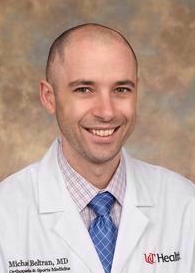
Michael J. Beltran, MD

Michael J. Beltran, MD

Trauma

Comparing Two Surgical Approaches for Fixing Posterior Malleolus Fragments in Ankle Fractures

This study looks at two accepted surgical approaches used to repair a specific part of the ankle-the posterior malleolus-in patients who have trimalleolar ankle fractures. In some patients, surgeons directly fix the broken piece of bone in the back of the ankle. In others, surgeons use indirect techniques to reduce and stabilize the fragment without directly exposing it. Both methods are commonly used today, but it is not known which leads to better stability and long‑term recovery. Patients who require surgery and meet the study's criteria will be invited to participate. Before surgery, each person receives standard X‑rays and a CT scan, and fills out questionnaires about their daily function and overall health. During surgery, after the main ankle bones are fixed, the surgeon performs a series of stress tests on the ankle joint to see whether the syndesmosis-the ligaments between the tibia and fibula-needs to be stabilized. These tests are standard and help determine the best treatment for each patient. The surgery itself and all choices about implants, positioning, and fixation are made by the treating surgeon based on their usual clinical practice. After surgery, patients return for checkups at about 6 weeks, 3 months, 6 months, and 12 months. At these visits, patients complete short surveys about pain, activity, and function, and receive routine X‑rays (except at the initial 2‑week wound check). The goal of the study is to find out whether directly fixing the posterior malleolus fragment leads to better ankle stability, fewer complications, and improved function compared with indirect treatment. The study does not add extra costs, procedures, or risks beyond standard care. What we learn may help guide future treatment decisions and improve recovery for patients with this type of ankle fracture.

Tahir Latif, MD

Tahir Latif, MD

Lymphoma

Phase 2

Testing New Treatment for Residual Cancer in B-cell Lymphoma Patients

This study is testing if a new experimental treatment named cemacabtagene ansegedleucel (or cema-cel for short) can help adults with large B-cell lymphoma, a type of blood cancer. Patients who have already finished one round of regular treatment and are still showing signs of leftover cancer according to a special test are being looked at. The study compares cema-cel treatment versus just watching the patients to see which helps more in preventing cancer events and eliminating leftover cancer cells. Participants must have completed standard initial therapy, be over 18, and meet certain health criteria. Those with recent other cancers or serious current infections, among other things, cannot join. The study will check for various outcomes over several months to see how well cema-cel works and note any side effects.

This study may be appropriate for those with: Newly Diagnosed Cancer

Moises A. Huaman, MD

Moises A. Huaman, MD

Infectious Diseases/HIV

TB/LTBI

The purpose of this research study is to assess how your immune system works to protect you from tuberculosis. The parts of the immune system we are studying are called mucosal invariant T cells (MAIT). The study will include 1-2 visits over 15 days with questionnaires and blood samples. Participation in this study does not carry major risks. There are blood draws which can cause some discomfort and may cause bruising. If you agree to take part in this research study, there will not be a direct medical benefit to you. Information learned from this study may help others who have history of active or latent tuberculosis

Michael A. Thomas, MD

Michael A. Thomas, MD

Reproductive & Infertility

Rebalance Study May Health

This is a multicenter randomized study testing the May Health System, a device used to treat ovarian tissue through the vagina while guided by ultrasound. The goal is to restore ovulation for women with PCOS-related infertility who did not get results from standard first-line ovulation medicines or who cannot or will not use those medicines. Participants are randomly assigned to have the procedure or to a control group; people in the control group may choose the procedure after the main 3‑month visit. The main measure is whether a woman has at least one ovulation within 3 months. Safety and side effects will be tracked through 36 months. Other measures include ovulation rates to 6 months, time to first ovulation, pregnancies, hormone levels, pain after the procedure, daily activity ability, and procedure times. Eligible women are 18-40, actively trying to conceive, and meet clinical and imaging criteria for PCOS with at least one reachable ovary. The study excludes those who are pregnant, have certain medical conditions (for example serious bleeding disorders, uncontrolled diabetes, very high androgen levels), prior ovarian surgery, or other factors that raise risk or would affect results.

Stacie Demel, DO, PhD

Stacie Demel, DO, PhD

Subacute

DECADE-Brain Health study

Intracerebral hemorrhage (ICH) is the most extreme subtype along the spectrum of CSVD that includes white matter hyperintensity (WMH), small vessel (lacunar) ischemic stroke and vascular cognitive impairment. We propose to re-enroll 400 (275 non-Hispanic European descent and 125 African-descent) participants of i3C DECADE study, (MPI: Bazzano, Urbina and Carmichael) which is following biracial cohorts in the Cincinnati, Ohio regions originally recruited as children in the 1970s and 1980s, for a 3-year (+/- 6 months) follow-up MRI, additional serial cognitive examinations and detailed dietary histories which will include a polyamine specific history and serial blood sampling. The proposal will copy the i3C DECADE exam including an identical MRI protocol and use the same recruitment and retention tools.

Amanda Jackson, MD

Amanda Jackson, MD

Gynecologic Cancer

Phase 3

Trastuzumab Deruxtecan Endometrial Study

This global Phase 3 study is testing whether a targeted treatment called trastuzumab deruxtecan (T-DXd) given after surgery can help people with HER2-positive endometrial cancer live longer without the cancer returning. Participants who have newly diagnosed Stage IIC or Stage III endometrial cancer and whose tumors show HER2 will be randomly placed into one of two groups: T-DXd or standard chemotherapy (with or without radiotherapy as decided by the treating doctor). The main goal is to compare the time until cancer returns or the person dies. Doctors will also track overall survival and side effects. T-DXd is a drug that seeks out cancer cells carrying the HER2 protein and delivers a chemotherapy payload directly to them. The study is open-label, which means doctors and patients will know which treatment is given. People will be followed for several years to monitor benefit and safety, including watching for lung inflammation and heart problems, which can be serious with these kinds of treatments.

This study may be appropriate for those with: Newly Diagnosed Cancer

Katie M. Phillips, MD

Katie M. Phillips, MD

Rhinology

Improving Instructions After Sinus Surgery

Adults having sinus surgery will receive either standard or improved written instructions. About one week later, they will answer questions about how helpful and clear the instructions were.

Ardythe Morrow, PHD

Ardythe Morrow, PHD

General

Studying Heat Exposure and Pregnancy Health

This research studies how exposure to hot temperatures during pregnancy may affect a mother's body and pregnancy outcomes. Pregnant women at higher risk for early delivery will wear a smart ring that tracks heart rate, sleep, and body temperature, and will have temperature monitors placed in their homes. Participants will also complete short daily and weekly surveys and provide simple samples like blood, saliva, hair, and nasal swabs. The study follows participants for about three months during pregnancy and briefly after delivery. The goal is to better understand how heat affects pregnancy so future steps can be taken to protect mothers and babies.

E. Steve S. Woodle, MD

E. Steve S. Woodle, MD

Transplant

Immune profiling of kidney transplant rejection

Researchers are studying why kidney transplant rejection occurs by analyzing blood, urine, and kidney biopsy samples collected during standard clinical care. The goal is to better understand immune activity during rejection and support future improvements in transplant treatment. Participation does not involve experimental treatment.

Katie M. Phillips, MD

Katie M. Phillips, MD

Rhinology

Understanding Types of Chronic Sinusitis

Adults with chronic sinusitis undergoing sinus surgery may have discarded tissue studied to understand different biological patterns of the disease.

Kara De Felice, MD

Kara De Felice, MD

Ulcerative Colitis | Crohn's Disease

Studying Real-Life Use of Vedolizumab for IBD

This study is looking at how people with inflammatory bowel disease use their vedolizumab treatment and how well a digital tool can help them stay on track. Participants will use an app that reminds them about doses, helps record when they take their medicine, and checks in on their symptoms. The study lasts about six months and does not require extra clinic visits because information is collected electronically. The goal is to learn whether this type of digital support can help people follow their treatment more easily and feel better over time.

Melissa DelBello, MD

Melissa DelBello, MD

Schizophrenia | Bipolar

OLZ SAM Pediatric Long Term Safety

This is an extension study for children and adolescents who finished or left earlier ALKS 3831 trials. It will give OLZ/SAM (a combination of olanzapine and samidorphan) to patients with schizophrenia or Bipolar I disorder to see how safe and tolerable the medicine is over the long term. Eligible participants must have completed or recently left the prior study, be suitable for outpatient care, have family support, and agree to birth control rules. The main measure is how often adverse events occur over up to 52 weeks of treatment. People with current suicide risk, certain medical problems, prohibited medications, a positive opioid test, or pregnancy are not allowed to join.

Stacie Demel, DO, PhD

Stacie Demel, DO, PhD

Subacute

Endovascular Treatment in Disabled Stroke

This is a prospective, observational study at multiple stroke centers to compare two commonly used care approaches for people who had moderate-to-severe disability before getting a large-vessel ischemic stroke. One approach is standard medical care (medications, blood pressure and cholesterol control, rehab and other supportive measures) and the other adds endovascular thrombectomy (mechanical removal of the clot). The study will enroll adults with pre-stroke disability (moderate to severe) who arrive within 24 hours of stroke symptoms and have a large artery blockage on brain imaging. The main goal is to compare how patients do at about 90 days after treatment-measuring functional outcome, return to prior level, quality of life, and safety (including death and bleeding in the brain). Results aim to guide care decisions for stroke patients who already had disabilities before their stroke.

Jordan Kharofa, MD

Jordan Kharofa, MD

Head and Neck Cancer

Phase 1

Phase I/​ II Trial Combining PD-1 Inhibition and Neoadjuvant Proton or Photon Radiation Therapy in Head and Neck Cancer

This study tests a short course of radiation (either standard X-ray photon radiation or proton radiation) given before surgery together with the immunotherapy drug pembrolizumab for people with recurrent head and neck squamous cell carcinoma. Phase I will enroll small groups to find a safe radiation dose and make sure combining the treatments before surgery is tolerable. Phase II will randomly assign patients to receive either proton or photon radiation plus pembrolizumab before salvage surgery and compare the rate of major pathologic response (very low remaining tumor on the removed tissue) to historical results. About 40 patients will be screened and randomized. Key goals are safety, whether the combination increases major pathologic response, and longer-term outcomes like disease-free and overall survival. The study includes tissue and immune testing to learn how the treatments affect the tumor and microenvironment.

This study may be appropriate for those with: Recurrent Cancer

David Robinson, MD, MS

David Robinson, MD, MS

Acute | Neurotrauma | Neuro-critical care | General

Evaluating brain injury from subdural hematomas using advanced imaging

We hope to conduct advanced MRIs on patients. We think these MRIs will help better understand how subdural hematomas injure the brain and keep people from fully recovering once the blood goes away.

Toan T. Le, MD

Toan T. Le, MD

Joints

Phase 3

REGN7508 vs ASA After TKA

This Phase 3 study looks at REGN7508, an experimental drug, compared with aspirin (acetylsalicylic acid) to prevent symptomatic blood clots after elective, one-side total knee replacement in adults. Participants are randomly assigned and neither they nor the study staff know which treatment they receive (double-blind). The main goal is to compare the rate of symptomatic venous thromboembolism (VTE) and VTE-related death up to 30 days after surgery. The study also watches for confirmed deep vein thrombosis (DVT) and pulmonary embolism (PE), time to events, bleeding events, and any side effects up to 90 days. Researchers will measure how much study drug is in the blood over time and check whether participants make antibodies against REGN7508. People with recent major bleeding, certain bleeding disorders, prior clotting disorders, platelet problems, or who received specific pre-op blood thinners are excluded.

Sachi Ikegami, MD

Sachi Ikegami, MD

Hoxworth

Phase 1

Comparing two ways to track red blood cells after a self-donation transfusion

This research looks at a safer, non-radioactive way to track red blood cells after a person donates and receives back a very small amount of their own cells. Volunteers will donate red cells that are stored for 42 days. A small mixed sample is labeled and given back through a vein so we can see how well the cells recover at 24 hours and how long they stay in the body. We compare a vitamin-based label (biotin) to a traditional radioactive label to learn if the vitamin method works as well. Participants will have regular blood draws and safety checks for about 5 months after the small reinfusion. The information could help future blood products be tested without using radioactivity.

Yasmin N. Aziz, MD

Yasmin N. Aziz, MD

Subacute

CAPTIVA MRI Biomarker Study

This is an observational MRI study done alongside the CAPTIVA clinical trial. People already enrolled in CAPTIVA who had a recent non-disabling stroke from severe narrowing (70-99%) of an intracranial artery can join. Participants get a detailed MRI scan within 14 days of CAPTIVA enrollment to look at artery plaque and blood flow. The study will follow participants for about 12 months to see if MRI features can help predict who will have another ischemic stroke in the same artery despite medical therapy. The goal is to find imaging markers that could guide future trials and improve care for patients with intracranial artery narrowing.

Robert Hite, MD

Robert Hite, MD

Critical Care

APS Phenotyping Study

This is a prospective observational study of adults hospitalized with or at risk for ARDS, sepsis, or pneumonia. Participants give clinical information, answer questionnaires, and provide biological samples (blood, urine, stool). If on a ventilator, respiratory samples are collected. Data and samples are gathered while in the hospital and again after discharge at 3, 6, and 12 months. The study aims to sort patients into biologic subgroups (phenotypes), find measurable markers tied to those groups, understand illness severity and recovery, and build a biobank for future research into causes and new treatments. There is no experimental drug or therapy in this study; it focuses on observation, testing, and sample collection to improve understanding of these critical illnesses.

Phillip R. Ross, MD

Phillip R. Ross, MD

Hand

Using Ultrasound to Track Median Nerve Recovery After Carpal Tunnel Release Surgery

Carpal tunnel release is a common surgery for relieving pressure on the median nerve in the wrist. While most patients improve, some continue to have symptoms. This study explores whether ultrasound can help track the healing of the median nerve after surgery and whether changes seen on ultrasound relate to how patients feel and function. Ultrasound is quick, painless, and widely available. Before surgery, patients will have an ultrasound exam that measures the size of the median nerve and blood flow within it. These same measurements will be repeated at later follow‑up visits. Researchers will look at whether the nerve becomes smaller, less swollen, or changes in blood flow as healing occurs. Patients also complete simple questionnaires about hand function, symptoms, and daily activities. Doctors will check strength, sensation, and other routine exam findings. By comparing ultrasound images with patient‑reported outcomes, the study aims to learn whether ultrasound could become an easy way to measure recovery after carpal tunnel surgery. All surgeries, exams, and imaging are part of standard care except for the additional research‑guided ultrasound assessments. The information gained may help future patients and doctors better understand the healing process and identify early signs of improvement or persistent problems.

Sara Medek, MD

Sara Medek, MD

Head and Neck Cancer

Phase 2

Radiation Therapy With or Without Cisplatin in Treating Patients With Stage III-IVA SCC of the Head and Neck

This is a phase II study evaluating the disease-free survival (DFS) of patients with stage III-IV squamous cell carcinoma of the head and neck (SCCHN) and disruptive p53 mutations after primary surgical resection followed by postoperative radiotherapy (PORT) alone or PORT with concurrent cisplatin. Participants in Arm A will undergo IMRT 5 days a week for 6 weeks, and those in Arm B will receive the same RT plus weekly Cisplatin via IV.

This study may be appropriate for those with: Newly Diagnosed Cancer

Michael D. Privitera, MD

Epilepsy

Testing a wearable device for seizures

This study tests a wearable device that tracks seizures, heart rhythm, breathing, and oxygen levels while people are already in the hospital for epilepsy monitoring. Participants wear the devices during their hospital stay. The information collected may help improve future seizure detection devices.

Debajyoti Ghosh, PhD

Debajyoti Ghosh, PhD

Hidradenitis suppurativa | Rheumatology/Allergy/Immune

Gene Expression Test for Hidradenitis Suppurativa

Adults with mild hidradenitis suppurativa (HS), folliculitis, or healthy skin will provide a blood sample and skin swab. The goal is to create a lab test that can distinguish HS from similar conditions and understand skin bacteria differences.

Steven E. Zhang, MD

Spine

How Operating Table Positioning Affects Spine Alignment During Surgery

When patients have spine surgery, they are placed face‑down on special pads that support the chest and pelvis. Small changes in where these pads are positioned may affect the curve and alignment of the spine during surgery. This study aims to find out how much those pad positions matter. Adults having spine surgery with Dr. Zhang may be invited to join. After anesthesia and before surgery begins, three X‑rays of the lower spine and pelvis are taken: one with the pads in the normal position used for surgery, one with the pads shifted slightly upward, and one with the pads shifted slightly downward. Only the normal X‑ray is part of routine care; the other two are performed for the study. After the images are taken, the pads are returned to the normal position and surgery proceeds as planned. Researchers will measure angles in the spine from each X‑ray to see how the position of the pads affects alignment. The goal is to understand whether certain pad placements change the spine's curve and whether these changes could impact surgical planning or outcomes. The study does not change the surgery itself and involves only minimal extra time and two additional X‑rays. All other aspects of care are standard. The information gathered may help surgeons position patients more precisely in the future and improve alignment during spine surgery.

Alberto Espay, MD

Alberto Espay, MD

Parkinson's disease | Movement Disorders

SPARX3

This study is a Phase III multi-site, randomized, evaluator-masked, study of endurance exercise on 12 month, 18 month, and 24 month changes in the MDS-UPDRS Part III score. 370 participants will be randomly assigned to 2 groups: 1)60-65% HRmax and 2)80-85% HRmax 4 times per week. Secondary aims will test hypotheses related to ambulatory mobility, daily activity, cognition, fitness, quality of life, measures of dopaminergic neuronal integrity and blood-derived biomarkers of inflammation and neurotrophic factors.

Brian Grawe, MD

Brian Grawe, MD

Sports

Comparing Two Stemless Shoulder Replacement Implants to Improve Function and Patient Outcomes

This study compares two different stemless shoulder replacement implants-the Nano and Sidus components-to learn whether one offers better function, comfort, or recovery for patients needing an anatomic total shoulder arthroplasty (TSA). Both implants are FDA‑approved and routinely used by the surgeon, and the surgery itself follows standard medical practice. Adult patients who are recommended for TSA by Dr. Grawe may be invited to participate. After giving consent, they complete a few short questionnaires about shoulder function and general health, and their range of motion is measured. They are then randomly assigned to receive either the Nano or the Sidus implant. Randomization ensures a fair comparison between the two options. The shoulder replacement surgery is performed in the usual way, with the only difference being the specific stemless implant used. After surgery, patients return for checkups at approximately 6 months, 12 months, and 24 months. At each visit, they complete the same questionnaires and have X‑rays and range of motion testing to evaluate healing and progress. The goal of this research is to determine whether one implant provides better outcomes than the other and to help surgeons choose the best option for future patients. There are no additional procedures, costs, or risks beyond standard care, and both implants represent established shoulder replacement options already widely used in clinical practice.

Robert Franklin, MD

Robert Franklin, MD

Phase 1 - Solid Tumor | Skin Cancer & Sarcoma | Lung Cancer | Genitourinary Cancer

Phase 1

A Study of DB-1311 in Advanced/​Metastatic Solid Tumors

This Phase 1/2a trial aims to assess the safety and tolerability of DB-1311 in patients with advanced solid tumors through dose-escalation and dose-expansion studies.

This study may be appropriate for those with: Metastatic Cancer

Alberto Espay, MD

Alberto Espay, MD

Parkinson's disease | Movement Disorders

Dystonia Coalition Projects-3

The overall mission of the Dystonia Coalition is to develop a better understanding of the dystonias so that we may improve treatment. Presently, there are four related projects; the first three projects are grouped together because they are related. The last project will be open only to selected participants as an option. 1. Natural History (NH) Project: The aim of this observational project is to better characterize the heterogeneity of clinical manifestations among subjects with dystonia, how these manifestations evolve over time, and how they relate to other family members. A fuller understanding of clinical features and especially their evolution over time is an essential prerequisite for testing any potential disease-modifying therapies that could alter the course of the disorder. 2. Objective Measures (OM) Project: The aim of this project is to exploit technological advances for development of objective tools to measure the severity of dystonia. Current diagnostic and severity measures depend almost entirely on subjective clinician-rated or patient-rated scales. New technology could ultimately replace these subjective scales as outcome measures. They could also be used for telemedicine. This study is not interventional, but instead relies on video recordings or motion sensors that can non-invasively detect movements. 3. Biobank (BB) Project: The aim of this project is to develop a resource that expands the existing dystonia DNA biorepository to include other biomaterials. To date, no large multicenter open-access biorepository exists for any type of dystonia. Such a biobank is essential for improving our understanding of the pathogenesis of the dystonias, so that rational therapies can be planned. It also is essential for exploration of biomarkers of disease activity that may provide useful outcome measures in clinical trials, or insights into pathogenesis. This study also is not interventional. 4. Patient-Centered Outcomes (PCO) Project: The aim of this project is to delineate both between-subject and within-subject variations over time in response to the standard of care treatment with Botulinum toxin (BoNT) injections. Typically, injections are required about every 3 months. Therapeutic benefits emerge within the first week and then wear off after 8-16 weeks, creating a cyclical response known as the "yo-yo" effect. The development of any novel "add-on" therapeutics or replacement therapeutic is hampered by incomplete knowledge of individual temporal responses. Currently, measurement tools rely on clinical rating scales which are subjective, cumbersome for repeated frequent use, and require extensive expertise to apply. This project will develop a patient-facing tool on a hand-held electronic device, such as a smartphone. This is not an interventional study; it aims to collect data regarding responses to routine clinical treatments.

Melissa DelBello, MD

Melissa DelBello, MD

Schizophrenia | Bipolar

Phase 3

Youth Weight Gain OLZ SAM vs Olanzapine

This is a 52-week, randomized, double-blind study in children and teens with schizophrenia or bipolar I disorder. Participants will get either OLZ/SAM (olanzapine combined with samidorphan) or olanzapine alone. The main goal is to compare weight change using BMI Z-score at 12 weeks. The study also looks at how many kids have a meaningful BMI Z-score increase, waist size, symptom scores for schizophrenia or bipolar disorder, time until they stop the study drug, and any side effects up to 52 weeks. Eligible participants are aged 13-17 for schizophrenia or 10-17 for bipolar I, are outpatient-capable, have caregiver support, and are either on olanzapine now or had a poor response to another antipsychotic. People are not allowed in the study for reasons such as certain other psychiatric or neurologic problems, recent opioid use, recent olanzapine exposure or poor response, extreme BMI, diabetes or recent changes in weight programs. Safety and symptoms will be checked regularly during the study.

Katie M. Phillips, MD

Katie M. Phillips, MD

Rhinology

Patterns in Chronic Sinusitis After Surgery

Adults having sinus surgery may join this study, which compares disease patterns across different groups. Participation involves data collection around routine care.


Zulfa Omer, MD

Zulfa Omer, MD

Other

Testing Venetoclax for Relapsed Hairy Cell Leukemia

This study is investigating the effectiveness of the drug venetoclax in patients whose hairy cell leukemia has returned after initial treatment. Venetoclax works by blocking a protein necessary for cancer cell survival, potentially reducing cancer growth. Participants will take venetoclax daily in cycles, and their response will be monitored through medical tests, including blood samples and imaging scans. The study aims to measure the overall response rate, complete remission, and any side effects. Eligible participants are those who have not had prior venetoclax treatment and meet specific health criteria. People with certain conditions or allergies should not participate. The study will follow participants for 30 days after their last medication dose to assess outcomes.

This study may be appropriate for those with: Relapsed / Refractory Cancer

Jean Elwing, MD

Jean Elwing, MD

PAH

Phase 4

DeciPHer ILD Patient Registry

This is a multi-center, non-interventional registry that will follow people who have pulmonary hypertension caused by interstitial lung disease. About 1,000 patients will join one of three groups: not using inhaled treprostinil, newly started on Tyvaso or Tyvaso DPI, or on Tyvaso/Tyvaso DPI for more than 60 days. Participants will have tests and questionnaires done at enrollment and then every 6 or 12 months, using results already recorded when available. The study will collect lung tests and scans, walking test results, blood tests, heart imaging, quality of life surveys, medication and rehab details, healthcare use, transplant and survival information, and other clinical data. Patients will be followed for up to five years to learn more about patient characteristics, treatment patterns, and outcomes in real-world care.

Jonathan A. Bernstein, MD

Jonathan A. Bernstein, MD

Rheumatology/Allergy/Immune

Phase 2

ARS2 Treatment for Chronic Urticaria

This is a Phase 2b outpatient study that tests a single dose of ARS-2 against placebo in adults with chronic spontaneous urticaria (recurrent hives). The study is randomized, double-blind, placebo-controlled, and uses a three-period crossover design. After screening, each participant will receive three blinded treatment periods (each a single dose) so they serve as their own comparison. Participants must have a history of moderate to severe flares while on chronic treatment and will use a smartphone app to report symptoms and any side effects. The main goal is to compare change in itch and hive scores during flares after ARS-2 (0.5 mg or 1 mg) versus placebo over the study period.

Jennifer Leddon, MD, PhD

Jennifer Leddon, MD, PhD

Phase 1 - Solid Tumor

Phase 2

DB 1311 Combination Trial

This is an open-label Phase 2 study testing DB-1311 given with either BNT327 or DB-1305 in people with advanced or metastatic solid tumors that have not responded to prior treatments. The study aims to check safety, side effects, how the body processes the drugs, and early signs of benefit like tumor shrinkage and longer time without disease growth. Eligible participants have one of several cancer types (liver cancer, cervical cancer, melanoma, head and neck cancer, platinum-resistant ovarian cancer, or non-small cell lung cancer) and meet basic health and lab criteria. People who previously received certain similar antibody-drug treatments, have serious uncontrolled illnesses, active brain metastases, autoimmune disease, or unresolved severe side effects are not allowed. Participants will receive study drugs in repeated treatment cycles and be seen regularly for safety checks, scans, and blood tests. The study may follow participants for up to about 6 years to collect long-term safety and outcome data.

This study may be appropriate for those with: Metastatic Cancer

Lalanthica Yogendran, MD

Lalanthica Yogendran, MD

Brain Cancer

Phase 2

New Treatments for Recurrent Glioblastoma

This clinical trial studies new drug combinations for treating people with recurrent glioblastoma, a type of brain cancer that has returned. The trial is testing whether the combination of two monoclonal antibodies, relatlimab and nivolumab, can be as effective or more effective than the current standard treatment, lomustine. These drugs work by potentially interfering with the ability of tumor cells to grow and spread. Participants will be randomly assigned to receive either the experimental drug combination or the standard chemotherapy drug. They will undergo regular checks, including MRI scans and biopsies, to track their response to treatment. The study will compare survival times and patient health outcomes between the two treatment groups over various periods up to 5 years to understand the effectiveness and safety of these treatments.

This study may be appropriate for those with: Recurrent Cancer

Caleb M. Adler, MD

Caleb M. Adler, MD

Bipolar

Phase 3

KarXT for Bipolar I Mania

This is a Phase 3, randomized, double-blind, placebo-controlled inpatient study testing KarXT for adults hospitalized with an acute manic episode of Bipolar I disorder (including mixed features). The main goal is to see if KarXT reduces mania symptoms more than placebo over a 3-week treatment period, measured by change in the Young Mania Rating Scale (YMRS) and clinician global ratings. Participants must be hospitalized for the episode, meet minimum severity scores, and stop other psychotropic drugs before starting. People with other main psychiatric disorders, recent substance use disorders, high suicide risk, or significant liver disease are excluded. The total time in the study, including screening and a safety follow-up, is up to 7 weeks.

Lawrence Goldstick, MD

Lawrence Goldstick, MD

Multiple Sclerosis

Phase 3

Ublituximab Modified Regimen Study

This Phase 3b study tests a changed dosing plan of ublituximab, a medicine that targets B cells, in people with relapsing multiple sclerosis (RMS). The study has three parts: Part A is open to eligible participants and looks at MRI brain lesions over about 48 weeks; Part B is randomized and double-blind to study drug levels and compare to placebo up to 16 weeks; Part C enrolls people who had a suboptimal experience on another anti-CD20 treatment to see how they do on ublituximab. Main goals are to see if the modified schedule prevents new gadolinium-enhancing MRI lesions and to understand the drug's blood levels. Participants have regular visits for dosing, safety checks, and MRI scans. People with active infections, certain immune diseases, prior serious infusion reactions to anti-CD20 drugs, some prior cancer or prior use of specific immunosuppressive drugs are not allowed to join.

Ahmad R. Sedaghat, MD

Ahmad R. Sedaghat, MD

Rhinology

Understanding how people with chronic sinus disease describe flare-ups and control

This study aims to better understand how people with chronic sinus problems think about when their symptoms are "under control" and what they consider a flare-up. Adults with chronic sinus disease will be asked to share their experiences during interviews, either by phone, video, or in clinic. Researchers will look for common themes in these conversations to help create clearer, patient-centered ways for doctors and patients to talk about symptoms and treatment success. Participation involves interviews only and does not change medical care.

Lalanthica Yogendran, MD

Lalanthica Yogendran, MD

Brain Cancer

Phase 3

Vorasidenib with Temozolomide Trial

This Phase 3 clinical trial tests whether adding vorasidenib to the usual post‑radiation chemotherapy (temozolomide) helps people with newly diagnosed IDH‑mutant grade 3 astrocytoma. Patients are randomly assigned to one of two groups: both get standard radiation followed by temozolomide tablets, and one group also gets vorasidenib tablets while the other gets a placebo. Treatment cycles are 28 days, with the study drug taken daily and temozolomide given on days 1-5 of each cycle, for up to 12 months if the disease does not get worse and side effects are acceptable. Doctors will check tumor status with regular MRI scans and blood tests. The main goal is to see whether adding vorasidenib delays tumor growth (progression‑free survival). The study also looks at safety, overall survival, tumor response, time to next treatment, seizure control, and quality of life. After finishing study drugs, participants are followed for several years to monitor long‑term outcomes.

This study may be appropriate for those with: Newly Diagnosed Cancer

Melissa DelBello, MD

Melissa DelBello, MD

Schizophrenia | Bipolar

Phase 4

Iloperidone Adolescents Safety Study

This is an open-label, single-group Phase 4 study testing iloperidone (FANAPT) in adolescents aged 12-17 who have schizophrenia or bipolar I disorder. Participants may receive iloperidone at doses between 8 and 24 mg per day for up to 52 weeks. The main goal is to evaluate safety and tolerability by recording treatment-emergent adverse events over the treatment period. To join, a young person must be willing to give assent and have a parent or guardian provide consent. People currently using another investigational drug or who test positive for drugs of abuse are not eligible. The study is intended to collect longer-term safety information for adolescent patients on iloperidone.

Alberto Espay, MD

Alberto Espay, MD

Parkinson's disease | Movement Disorders

PPMI

The Parkinson Progression Marker Initiative 2.0 (PPMI 2.0) is a longitudinal, observational, multi-center natural history study to assess progression of clinical features, digital outcomes, and imaging, biologic and genetic markers of Parkinson's disease (PD) progression in study participants with manifest PD, prodromal PD, and healthy controls. The overall goal of PPMI 2.0 is to identify markers of disease progression for use in clinical trials of therapies to reduce progression of PD disability.

Sarah Sittenfeld

Sarah Sittenfeld

Gynecologic Cancer

Early Pelvic Floor Therapy Study

This is a small single group study of 28 women with invasive cervical cancer who will get pelvic external beam radiation as part of their treatment. About four weeks after finishing radiation, participants will begin pelvic floor physical therapy. The study will measure how many women have fecal incontinence three months after radiation using a standard patient survey (EORTC QLQ CX24). A survey score of 1 or higher will count as incontinence. The study will also look at urinary incontinence, sexual symptoms, overall quality of life, how well participants follow recommended dilator use, and changes in pelvic floor muscle function (measured with the Brink scale). Assessments will be done before therapy and at three months after radiation. The goal is to see how common bowel leakage is after pelvic radiation and whether early pelvic floor therapy can be studied further as a supportive care approach.

Robert Hite, MD

Robert Hite, MD

Critical Care

Phase 3

Efficacy and Safety of Trimodulin in Severe Pneumonia Patients

This study is exploring the effectiveness and safety of a drug called trimodulin in treating adults with severe community-acquired pneumonia who are on ventilators. Participants will receive either trimodulin or a placebo, along with standard medical care. The main goal is to see if trimodulin can reduce death rates and improve recovery. The trial will monitor subjects closely over 29 days, with an additional follow-up until day 91 to check long-term effects, safety, and overall health improvements. The study also involves collecting detailed data on how trimodulin is processed in the body, aiming to improve current treatments for this serious illness.

Laura Ngwenya, MD, PhD

Laura Ngwenya, MD, PhD

Neurotrauma

Phase 2

APT Acute TBI Adaptive Multi-Arm Phase 2 Platform Trial

This is a randomized, parallel, multi-arm, multi-stage adaptive Phase 2 platform trial testing whether repurposed FDA-approved drugs given off-label soon after injury can improve recovery after acute non-penetrating traumatic brain injury (TBI). Adults 18-65 who present within 24 hours of injury with a Glasgow Coma Scale (GCS) 9-15, CT evidence of intracranial trauma (CT+), and an elevated GFAP blood level (>100 pg/mL) are eligible. Participants are randomized to one of the investigational drug arms or placebo. Investigational agents vary by arm and are selected for potential neuroprotective and anti-inflammatory effects to reduce secondary injury. Participants undergo serial clinical assessments, blood biomarker sampling (including GFAP and NfL), cognitive testing, and MRI (including DTI). The primary efficacy outcome compares change in the Glasgow Outcome Scale-Extended (GOSE) between Week 2 and Month 3. Secondary outcomes include biomarker trajectories, DTI measures, cognitive performance, and post-concussive symptom scales. Follow-up visits occur through Month 6 with approximately six in-person visits plus interim phone assessments and scheduled imaging/blood draws. Safety monitoring excludes participants with significant comorbidities, pregnancy, known contraindications to study drugs, or abnormal renal/hepatic function, among other criteria. The trial uses an adaptive platform design allowing multiple investigational arms to be evaluated sequentially or concurrently against placebo.

Carl J. Fichtenbaum, MD

Carl J. Fichtenbaum, MD

Infectious Diseases/HIV

Phase 4

Hormone Therapy for Menopause in HIV

This study will test menopausal hormone therapy in women living with HIV who are in late menopause transition or early after menopause and who have bothersome hot flashes or night sweats. After a short observation period to record symptoms, participants will be randomly assigned to receive hormone therapy (estradiol with or without progesterone, as appropriate) and followed for 12 weeks. The study will look at whether hormones lower the number and severity of hot flashes and night sweats, and whether they help sleep, mood, thinking, sexual function, and overall quality of life. Researchers will also monitor effects on weight and body measurements, markers of bone and heart health and inflammation, and any side effects or safety problems, including abnormal vaginal bleeding. The goal is to find out if menopausal hormone therapy is effective and safe for women with HIV who have menopausal symptoms.

Amit Govil, MD

Amit Govil, MD

Transplant | CKD

Phase 2

Finerenone in Kidney Transplants

This study will test a medicine called finerenone in people who have had a kidney transplant. The trial will enroll 150 transplant recipients and will compare finerenone to a placebo in a double-blind, randomized design over about 13 months. The team will check whether it is possible to recruit transplant patients and whether they will accept extra tests like research kidney biopsies and special kidney MRIs. The study will also look at safety and tolerability, especially the risk of high potassium and changes in kidney function. Researchers will measure urine protein, kidney function over time, heart failure events needing care, changes seen on kidney MRI, and changes seen on biopsy tissue in the biopsy subgroup. Results will help decide if larger trials are needed.

Carl J. Fichtenbaum, MD

Carl J. Fichtenbaum, MD

Infectious Diseases/HIV

Phase 1

GS 0415 in People With HIV Study

This is a Phase 1b study testing an investigational drug called GS-0415 in adults with HIV whose virus is already well controlled on HIV medicines. The study will test increasing single doses (single ascending dose, SAD) and increasing multiple doses (multiple ascending dose, MAD) given either under the skin (subcutaneous) or into a vein (intravenous). Some participants will get the drug and others will get placebo; the study is single-blind so participants do not know which they receive. The main goals are to check safety, tolerability, and how the body handles the drug (how much is in the blood over time). People must be 18–65, on stable HIV treatment for at least a year, have suppressed viral load, and meet basic weight and health rules. The study will monitor side effects, lab tests, immune measures, drug levels in blood, and whether participants make antibodies against GS-0415. Participation lasts up to about 99 days depending on the dose group.

Davendra Sohal, MD, MPH

Davendra Sohal, MD, MPH

Gastrointestinal Cancer

Testing the Use of Chemotherapy After Surgery for High-Risk Pancreatic Neuroendocrine Tumors

This phase II trial studies the effect of capecitabine and temozolomide after surgery in treating patients with high-risk well-differentiated pancreatic neuroendocrine tumors. Chemotherapy drugs, such as capecitabine and temozolomide, work in different ways to stop the growth of tumor cells, either by killing the cells, by stopping them from dividing, or by stopping them from spreading. Giving capecitabine and temozolomide after surgery could prevent or delay the return of cancer in patients with high-risk well-differentiated pancreatic neuroendocrine tumors.

This study may be appropriate for those with: Newly Diagnosed Cancer

Matthew Flaherty, MD

Matthew Flaherty, MD

Subacute

Phase 3

LIBREXIA: Milvexian for Stroke Prevention

This is a Phase 3, randomized, double-blind study testing whether milvexian, an oral medicine that blocks Factor XIa, can prevent repeat ischemic strokes in people who recently had an acute ischemic stroke or a high-risk transient ischemic attack (TIA). Adults who meet the entry rules and can start treatment within 48 hours of their event are randomly assigned to take milvexian or a matching placebo while continuing standard antiplatelet care. The main measure is time until the first new ischemic stroke, tracked for up to about 41 months. The study also looks at broader cardiovascular outcomes and safety, especially bleeding and liver effects. The goal is to see if milvexian reduces recurrent strokes without causing unacceptable side effects.

Thomas Herzog, MD

Thomas Herzog, MD

Gynecologic Cancer

Phase 3

Study on New Treatment for Recurrent Ovarian Cancer

This study is looking at how effective and safe a new drug called sacituzumab tirumotecan, alone or with another drug called bevacizumab, is compared to the usual treatments for people whose ovarian cancer has come back after responding well to platinum-based chemotherapy. The study hopes to find out if patients can live longer without their cancer getting worse with this new treatment and if it's tolerable and safe. They will measure how patients respond to the treatment and monitor any side effects. The trial is in its third phase and will take place over four years.

This study may be appropriate for those with: Relapsed / Refractory Cancer

Brittany N. Krekeler, PHD,CCC-SLP

Brittany N. Krekeler, PHD,CCC-SLP

Dysphagia Rehab

Measuring Tongue Strength and Swallowing

Adults having a routine swallow x-ray can join a brief tongue strength test to see how tongue function relates to swallowing.

Rodrigo Patino, MD

Rodrigo Patino, MD

Bipolar

Child and Teen Bipolar Network

This study follows about 80 youth ages 9-19 who have bipolar spectrum disorders or cyclothymic disorder. After a screening and baseline visit (which includes a diagnostic interview and a blood draw to measure inflammation), families take part in regular follow-up for 12 months. Parents complete weekly online ratings of their child's symptoms. The study team tracks the youth's medications and any psychosocial therapies they receive as part of usual care. Major visits include baseline/intake and repeat assessments at 6 and 12 months, using standard questionnaires about mood, behavior, family conflict, quality of life, anxiety, and substance use. The goals are to improve early and accurate diagnosis, learn which signs predict better or worse outcomes (focusing on mood instability and C-reactive protein), and develop standardized tools and procedures that clinics can use to treat youth with or at risk for bipolar disorder.